Ferulic Acid

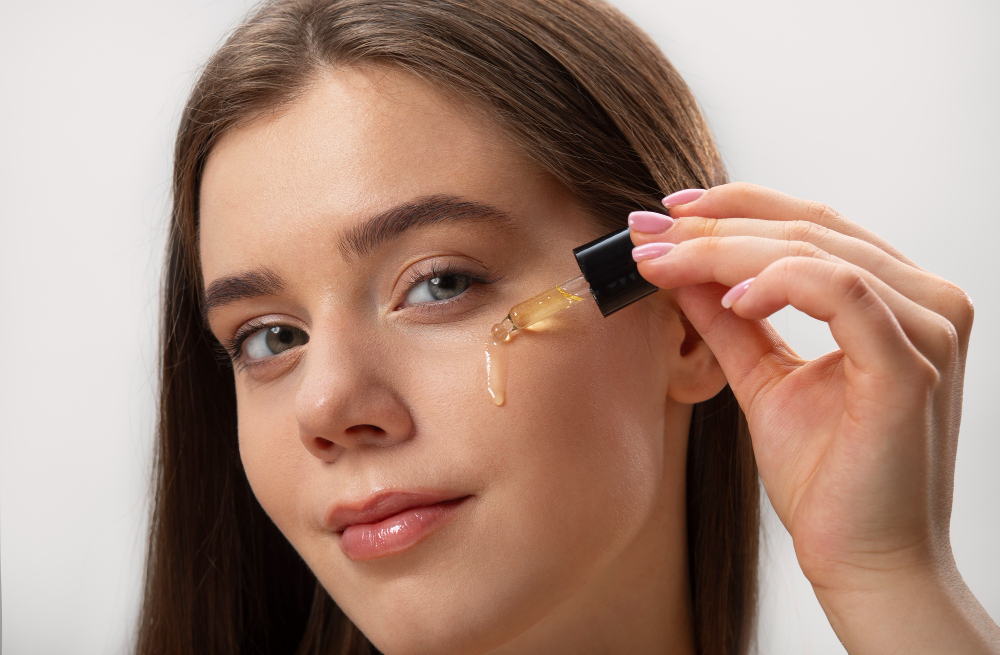
Vitamin C serums are popular because they can help skin look brighter and more even over time. But many people notice something confusing: the serum starts out clear (or pale) and then slowly turns yellow. Sometimes it even becomes orange or brown.
This color change can raise a lot of questions. Is the serum still working? Is it safe to use? Did something go wrong with the formula?
This guide explains why vitamin C serum turns yellow, what that color change really means, and how ingredients like ferulic acid are used to help keep vitamin C more stable and effective.
Most vitamin C serums turn yellow because vitamin C is unstable. When it’s exposed to air, light, heat, and time, it begins to oxidize and change color. Experts often point out that vitamin C breaks down faster when packaging lets in air and light.
Here are the most common reasons it happens:
Oxidation is a chemical reaction that happens when oxygen interacts with vitamin C. As this reaction happens, the serum slowly changes color, from clear to light yellow, then darker yellow, and eventually brown. This process is called vitamin C serum oxidation, and it is the main reason your serum changes color.
This depends on how yellow the serum has turned. Most of the time, a small color usually means the serum is less strong than it was when it was fresh. But if the serum changes color a lot, it has most likely lost its effectiveness. While it may not harm the skin, it may not give the same benefits.
Also watch for these signs:
If any of those happen, it’s safer to stop using it, especially if the skin is sensitive.
Here is where ferulic acid matters.
Ferulic acid is an antioxidant found in plants. In skincare, it is often used to help protect other antioxidants, like vitamin C, from breaking down too quickly. According to a study, adding ferulic acid to a solution with vitamins C and E improved stability and increased protection from sun-related damage in skin testing.
In simple terms, ferulic acid can help in two ways:
That’s why many modern formulas, like the realdrseattle® ferulic acid serum, include stabilizing antioxidants. It’s not about adding more ingredients. It’s about helping vitamin C last.
All vitamin C serums have different formulas. Some turn yellow quickly because they are not properly stabilized. When choosing a vitamin C product, look for signs of better stability. For example, check if it has ingredients like ferulic acid and vitamin E.
A well-made serum uses:
This is also where our product shines. Our ferulic acid serum is made with balanced ingredients, including:
Slightly yellow vitamin C usually does not stain the skin. However, darker oxidized serums may:
This is another reason to avoid using vitamin C serum once it turns dark.
“Yellow means it’s stronger.”
Not true. Yellow means oxidation has started.
“It’s still working if it doesn’t irritate.”
Not always. A serum can feel fine but still be inactive.
“All vitamin C serums turn yellow quickly.”
Better formulas with stabilizers like ferulic acid last longer.
Even a well-made vitamin C serum needs the right care. Here are easy ways to slow oxidation:
When comparing options, it’s important to look at how vitamin C is formulated and supported by other ingredients. Our ferulic acid serum combines vitamin C with ferulic acid and vitamin E, along with hyaluronic acid for hydration. If you’re researching different vitamin C serums, you can learn more about the formula by calling 206-787-0784 or try it now.
Vitamin C (especially L-ascorbic acid) is naturally unstable and can oxidize when exposed to air, light, heat, and time. Oxidation often shows up as a color shift from clear to yellow, then amber, orange, or brown.
It usually means oxidation has started. As oxidation increases, the serum may become less potent and deliver fewer brightening/antioxidant benefits.
Sometimes—depending on the shade. Very light yellow can still work but may be slowly losing strength. Darker yellow/amber/orange usually means reduced performance. Brown often means it’s no longer working as intended.
Often it’s not “dangerous,” but heavily oxidized serum may be less effective and can be more irritating, especially for sensitive skin. If it’s dark, smells off, or stings more than usual, it’s best to stop using it.
Common signs include:
Many do, but not all at the same speed. Better-stabilized formulas and protective packaging slow down oxidation significantly.
Each time you open it, oxygen enters. Oxygen triggers oxidation, which is the main driver of the yellowing process.
Yes. Bathrooms often have heat, steam, and humidity, which can speed up breakdown and oxidation.
Yes. Light exposure accelerates oxidation, which is why many brands use dark/opaque bottles.
Heat speeds chemical reactions, so leaving a serum near a window, heater, or in a hot car can cause it to oxidize much faster.
Oxidation is a chemical reaction where oxygen reacts with vitamin C, breaking it down and causing the serum to darken over time.
Lightly yellow serum usually does not stain, but darker oxidized serums may:
It can slow the process. Ferulic acid is an antioxidant that helps stabilize vitamin C (and often vitamin E), reducing how quickly the formula oxidizes.
They work well together:
No. Yellowing is generally a sign that oxidation has started, not increased strength.
Not necessarily. A serum can feel fine but still be partially or mostly inactive due to oxidation.
Look for:
Replace it if it becomes dark amber/orange/brown, smells off, changes texture, or starts irritating your skin more than usual—especially if it’s been open for months.
Disclaimer: Ferulic acid serum is a cosmetic product. This product is not FDA approved. Ferulic acid is not a drug and it does not treat any medical conditions.

Dr. Javad Sajan is a plastic surgeon with extensive experience in facial, breast, and body procedures. His deep understanding of skin biology and the aging process informs both his surgical approach and the development of physician-formulated skincare products, including ferulic acid serum. In addition to clinical practice, Dr. Sajan is a published researcher, textbook editor, and nationally recognized expert in aesthetic medicine.